
Registered NDIS Provider · Servicing Australia


Signs of High-Quality SIL Housing: What to Look For
High-quality SIL housing: Discover what makes quality SIL housing. Learn the key signs, questions to ask providers, and how to evaluate a home.
Table of Contents
- What Makes High-Quality SIL Housing
- Safety, Accessibility and Maintenance Standards
- Person-Centred Support and Consistency
- Questions to Ask SIL Providers
- NDIS SIL Provider Checklist
- Inspecting a SIL Home: What to Notice
- Making Your Final Decision
- Frequently Asked Questions
Last Updated: September 21, 2026
What Makes High-Quality SIL Housing
Supported Independent Living (SIL) housing is residential accommodation where NDIS participants live with tailored support to help them maintain independence. The quality of that housing directly shapes whether someone thrives or merely survives in their community. (Source: National Disability Insurance Scheme Act 2013)
High-quality SIL housing balances three core elements: a safe, accessible physical environment; consistent, person-centred support; and genuine choice about how you live. It’s not about luxury. It’s about having a home that works for your needs, not forcing your needs to fit the home.
High-quality SIL housing can make a significant difference to participants’ confidence, community connections, and autonomy over daily decisions. Conversely, poor housing, cramped spaces, inconsistent staffing, and inflexible routines can erode independence rather than building it.
This guide walks you through the signs of high-quality SIL housing so you can evaluate options with confidence.
Safety, Accessibility and Maintenance Standards
A safe home is the foundation. You’re looking for properties that meet current building and disability access standards without feeling institutional.
Physical safety markers:
- Secure entry points that don’t compromise privacy
- Working smoke alarms and fire safety equipment
- Adequate lighting in all areas, including pathways and outdoor spaces
- Non-slip surfaces in bathrooms and kitchens
- Handrails where needed, installed properly
- Clear emergency procedures displayed and practised
Accessibility features:
- Doorways and hallways wide enough for mobility aids
- Accessible bathrooms with grab rails and space to manoeuvre
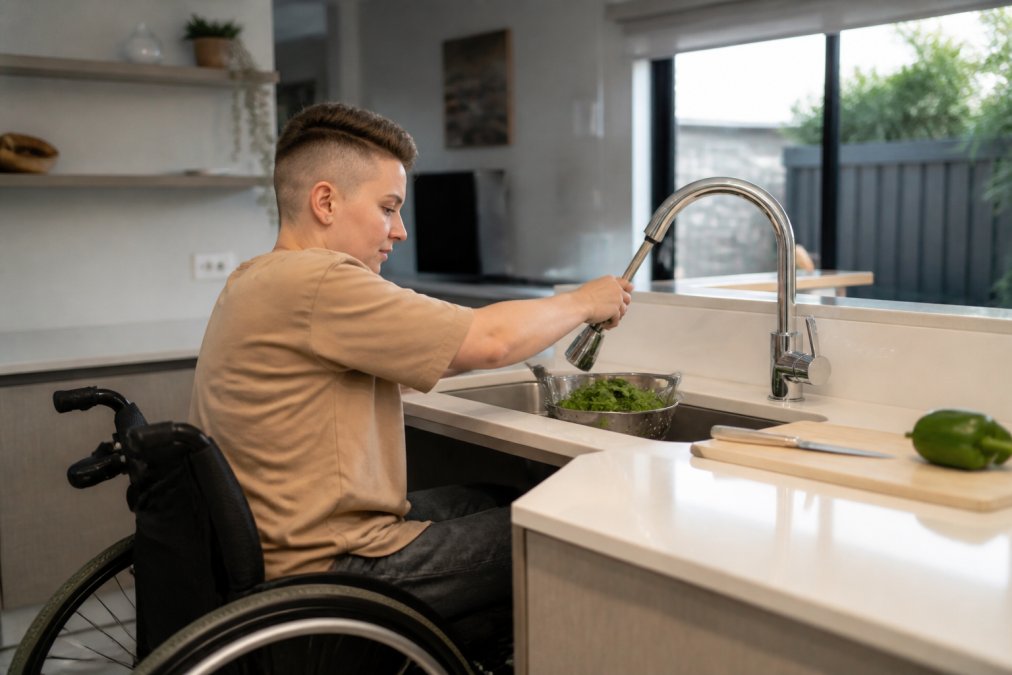
- Kitchens designed for people with varying abilities
- Bedrooms positioned to allow safe, independent access
- Outdoor areas that are usable, not just decorative
Maintenance and cleanliness:
- Regular cleaning schedules that are actually followed
- Repairs happen promptly, not weeks later
- Worn carpets, fixtures and fittings are replaced, not patched indefinitely
- Gardens are maintained, overgrown gardens signal neglect elsewhere
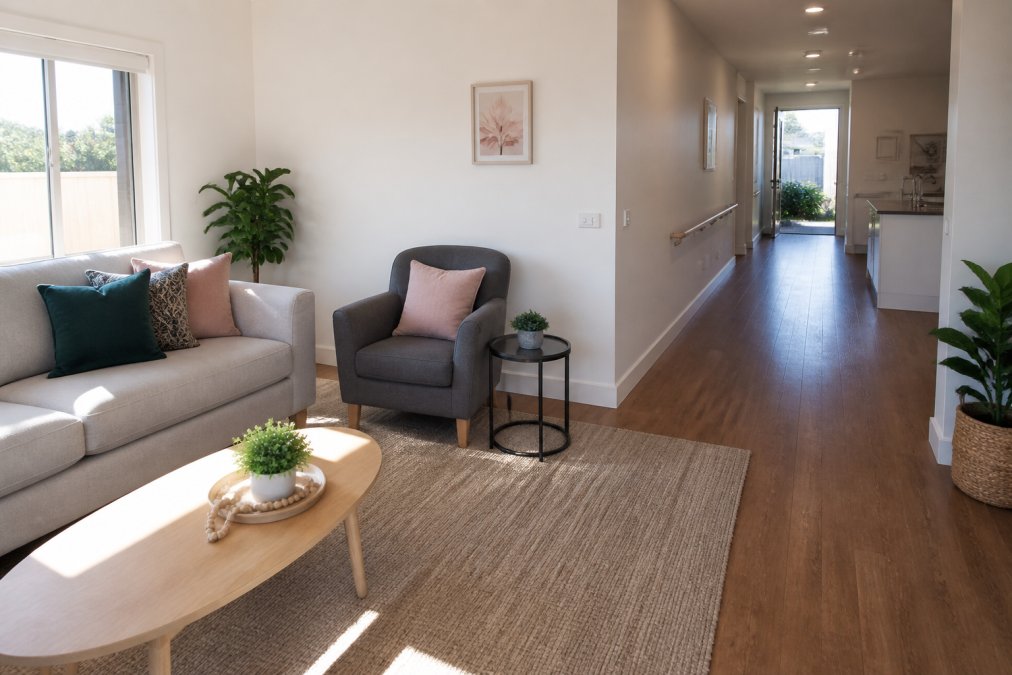
Ask to see maintenance logs. Ask when the last major repairs were done. Visit at different times of day, morning cleanliness can mask afternoon chaos. If the provider hesitates to show you records or the property looks worn down, that’s a warning sign.
Person-Centred Support and Consistency
The best house means nothing if support staff change weekly or ignore what you actually want.
Person-centred support means the home adapts to the person, not the person adapting to the home’s routine. Look for these indicators:
Support consistency:
- Named support workers who know your history and preferences
- Low staff turnover (ask directly about this)
- Clear handover processes so information doesn’t get lost between shifts
- Support workers who can explain your goals and how they’re helping you reach them
Actual choice:
- You decide meal times and what you eat (within dietary needs)
- You choose when to go out, not when the roster allows it
- Your bedroom and living space reflect your preferences, not institutional defaults
- Support workers ask before helping, not just do things to you
Communication:
- Regular check-ins about how things are working
- Changes to support are discussed with you first, not imposed
- Complaints are taken seriously and acted on
- You know how to reach your support coordinator or manager
The difference between “we support independence” and actually supporting it is whether you have real input into your daily life. If a provider talks about flexibility but the schedule is rigid, that’s a red flag.
Questions to Ask SIL Providers
Before committing to any SIL housing, ask these questions directly. The answers, and how they’re given, tell you a lot.
About staffing:
- How long do support workers typically stay with you?
- What happens if a regular support worker is sick?
- How are new staff trained on my needs?
- Can I request specific support workers?
About daily life:
- Can I choose my own meal times and food?
- How much notice do I need to go out?
- What happens if I want to change my routine?
- How often do we review what’s working?
About safety and maintenance:
- When was the last safety inspection?
- What’s your process for urgent repairs?
- How often is the property cleaned?
- Are there any known issues with the house I should know about?
About flexibility:
- Can I have visitors whenever I want?
- What’s your policy on overnight guests?
- How do you handle changes to my support needs?
- What happens if the arrangement isn’t working?
Providers who answer clearly and directly are usually trustworthy. Vague answers, deflection, or “we’ll sort that later” suggests they haven’t thought it through, or don’t want to commit.
NDIS SIL Provider Checklist
Use this checklist when evaluating SIL housing options. Tick off what matters most to you.
| Assessment Area | What to Check | Red Flags |
|---|---|---|
| Registration | NDIS registered provider status | No registration or unclear status |
| Safety | Building standards, maintenance logs, emergency procedures | Worn condition, no records, unsafe features |
| Staffing | Low turnover, named workers, clear training | High turnover, no consistency, vague about qualifications |
| Choice & Control | You decide routines, meals, outings, décor | Rigid schedules, institutional feel, no input |
| Communication | Regular reviews, clear contact points, complaint process | Unclear processes, hard to reach manager |
| Location | Close to community, services, your support network | Isolated, far from everything you need |
| Condition | Clean, well-maintained, accessible | Dirty, broken, inaccessible features |
| Support Plan | Written agreement, clear goals, regular review | Nothing in writing, vague goals |
Print this checklist and take it with you when you visit properties. It keeps you focused on what matters.
Inspecting a SIL Home: What to Notice
When you visit a potential SIL home, you’re not just looking at a house, you’re imagining yourself living there daily.
First impressions:
- Does it feel like a home or an institution?
- Is it clean without being sterile?
- Are there personal touches, photos, plants, art, or is it bare?
Practical details:
- Open cupboards and drawers, are they accessible?
- Turn on lights and taps, do they work reliably?
- Check bathroom privacy, can you lock the door?
- Look at bedroom space, can you fit your own furniture?
- Check fridge and pantry, is there adequate storage?
Support environment:
- Where do support workers spend their time?
- Is there a quiet space for you to be alone?
- Are there community spaces that feel welcoming?
- How visible are support workers, are they hovering or giving space?
Ask to speak with current residents if possible. Their lived experience matters more than the provider’s sales pitch. If the provider won’t arrange this, ask why.
Notice what you feel, not just what you see. Does the place feel calm or chaotic? Welcoming or clinical? Trust that instinct, you’ll be spending a lot of time there.
Making Your Final Decision
Choosing SIL housing is a significant decision. You’re not just picking a house; you’re choosing the environment where you’ll build your daily life.
Before you decide:
- Visit at least twice, at different times
- Talk to current residents or their families if you can
- Get everything in writing, support plan, costs, what happens if things change
- Check the provider’s registration with the NDIS Quality and Safeguards Commission
- Trust your gut, if something feels off, it probably is
Red flags that should stop you:
- Provider can’t explain their safety processes clearly
- High staff turnover with no explanation
- Pressure to decide quickly
- Unclear about what support you’ll actually receive
- Unwillingness to involve you in decisions about your own home
Green flags that suggest quality:
- Provider asks detailed questions about what matters to you
- Staff can articulate your goals and how they support them
- You’re given time to decide without pressure
- Current residents seem settled and engaged
- The provider welcomes your questions and concerns
High-quality SIL housing exists. It’s built on safety, consistency, and genuine respect for your independence. Take time to find it.
Frequently Asked Questions
What is the difference between SIL and SDA housing?
Supported Independent Living (SIL) provides flexible support in a home environment where you have tenancy rights and control over who lives with you. Specialist Disability Accommodation (SDA) is purpose-built or substantially modified housing designed for people with extreme functional impairment or very high support needs. Both are NDIS-funded, but SDA homes meet specific design standards and are registered with the NDIS. SIL offers more choice and independence, whilst SDA provides specialised physical accessibility.
How do I know if a SIL home is right for my needs?
A good match depends on your support needs, preferences and independence goals. Consider whether the location suits your lifestyle, if the housemates or living arrangement aligns with your values, and whether the provider’s support approach matches your plan. Visit the home, meet the support staff, and ask how they personalise support for each person. Your support coordinator or NDIS planner can help assess whether a particular home will work for you.
What should I look for during a SIL house inspection?
Check that the home is clean, safe and well-maintained. Look for accessible bathrooms and bedrooms, clear pathways, appropriate lighting, and emergency exits. Meet the support staff and ask about their experience and training. Observe how they interact with current residents. Ask about staffing levels, how they handle emergencies, and how they support people’s goals and interests outside the home. Trust your instincts about whether the environment feels welcoming and respectful.
What are the NDIS quality and safety standards for SIL providers?
The NDIS Quality and Safeguards Commission sets standards for all NDIS providers, including those delivering SIL. These cover worker competence and conduct, safety, rights protection, and feedback processes. Providers must be registered and comply with the NDIS Code of Conduct. You can check a provider’s registration and complaint history on the Quality and Safeguards Commission website. Ask providers directly about their compliance, staff training, and how they manage safeguarding.
Finding the right SIL housing is one of the most important decisions you’ll make on your NDIS journey. If you’d like support navigating this process, Alpha Community Care offers support coordination and SIL services across Victoria and Western Australia. We work with you to find housing that fits your life, not the other way around. Contact us to discuss your needs and explore what’s available in your area.
